
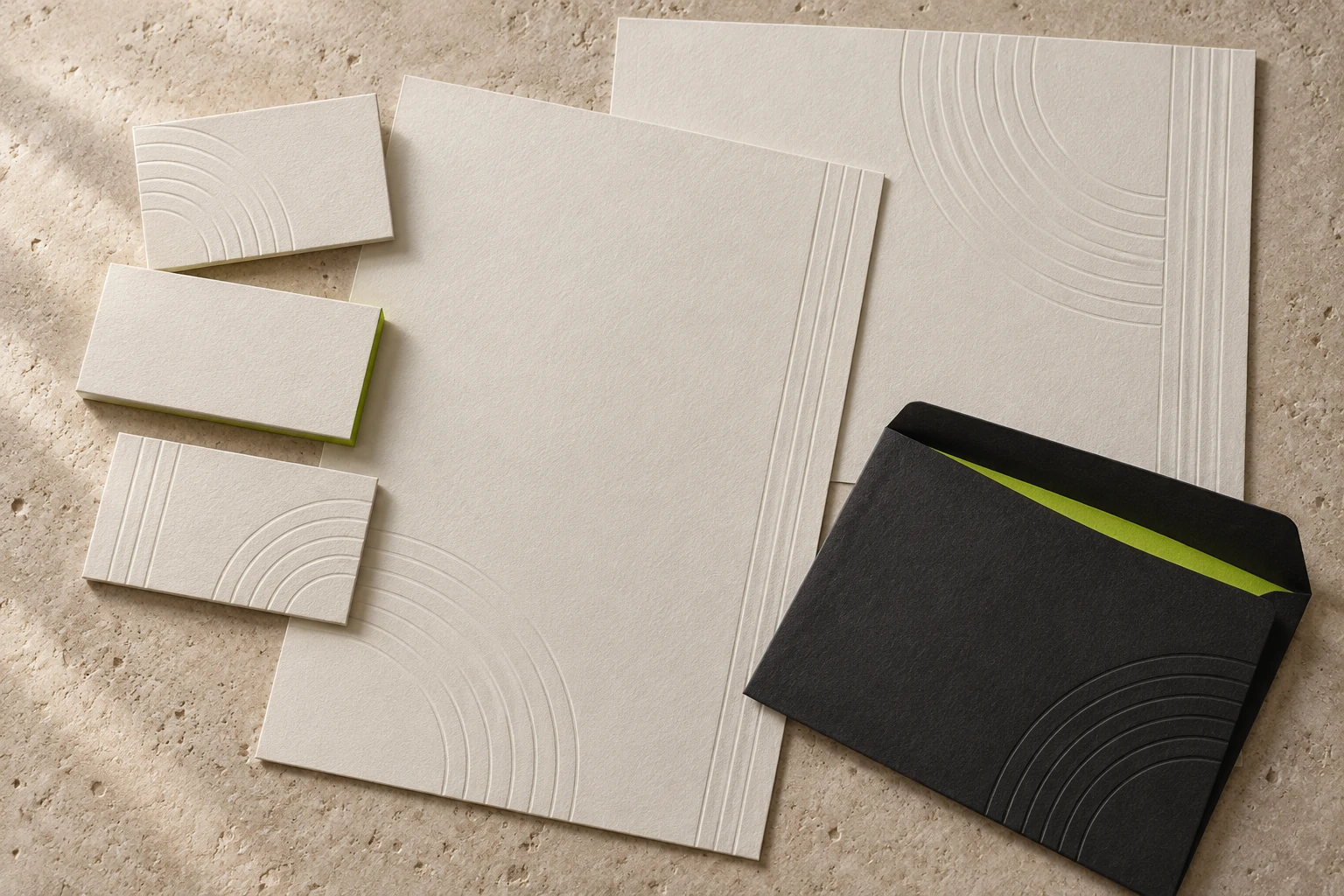
Graphic design is often seen as a purely aesthetic layer, something that makes campaigns look good. In reality, design is a strategic tool that plays a critical role in building strong, recognizable and trustworthy brands.
Brand identity is how a brand shows up in the world. It shapes first impressions, builds recognition and influences perception long before a message is read or a product is tested.
In a crowded digital landscape, visual clarity is no longer optional.
What Brand Identity Really Means
Brand identity goes far beyond a logo. It includes color systems, typography, layouts, visual rhythm and how these elements are applied consistently across platforms.
A strong identity allows a brand to be recognized instantly, even without its name. It builds familiarity and trust, two essential drivers of customer decisions.
When visual identity lacks structure or consistency, campaign effectiveness drops, regardless of budget or strategy.
Visual Consistency Across Campaigns
Effective campaigns tell a clear story. When design does not support that story, the message becomes fragmented. Every touchpoint, ads, social media, websites, landing pages and presentations, should reinforce the same visual language.
Visual consistency helps brands:
- Strengthen positioning
- Increase recognition and recall
- Create continuity across campaigns
- Build credibility and trust
- Improve ad performance
Digital platforms reward clarity and consistency, which directly impacts engagement and conversion metrics.
Design as a Storytelling Tool
Storytelling does not live only in copy or video. It lives in design. Composition, color choices, spacing and visual hierarchy all influence how a message is perceived.
Good design guides attention, creates emotion and leads users toward action. When aligned with strategy and content, design transforms simple messages into memorable brand experiences.
The Impact of Design on Digital Performance
In digital marketing, design directly affects results. Strong creatives improve click-through rates, reduce bounce rates and increase conversions.
Landing pages with a clear and consistent identity build trust and reduce friction.
Design is not an expense. It is a multiplier for performance.
Final Thoughts
Strong brands don’t just communicate more, they communicate better. Graphic design and brand identity are strategic foundations for any brand aiming for sustainable growth.
At WIDECREATION, we create visual identities and design systems aligned with strategy, campaigns and storytelling, always focused on measurable impact.
If your identity must work across more channels, show us what you use today. We can review where it needs clearer rules.
Test an identity in real applications
A logo presentation is only one part of the decision. Test typography, colour, imagery and layout in a mobile ad, a landing page, a proposal and a small-format social post. Check readability, accessibility and whether the system still feels coherent when different people produce assets. Document the decisions that should stay consistent and the elements that can adapt by campaign. Review customer recognition and clarity of the offer over time, rather than treating visual preference as the only measure of success.
When the identity must expand into more formats, use the design, motion and 3D system guide to keep production coherent. Follow the brand equity measurement discussion to evaluate recognition and experience over time without treating a new visual identity as proof of financial value.
When testing the identity in web interfaces, check W3C’s non-text contrast guidance for essential controls and graphical information as well as the brand’s visual consistency.